Korea has a tax break that lets you buy a second house in the countryside and still be taxed as a one-home household. It is called the second-home relief. Right now it covers 93 districts. The 2026 tax reform bill, announced by the Ministry of Economy and Finance on 3 August, widens that to every non-capital-region area except the metropolitan cities. Newly added areas cap out at an assessed value of ₩400 million, and the change applies to purchases made on or after 1 January 2027.
This is still a bill. It goes to the National Assembly before 3 September and has to pass.
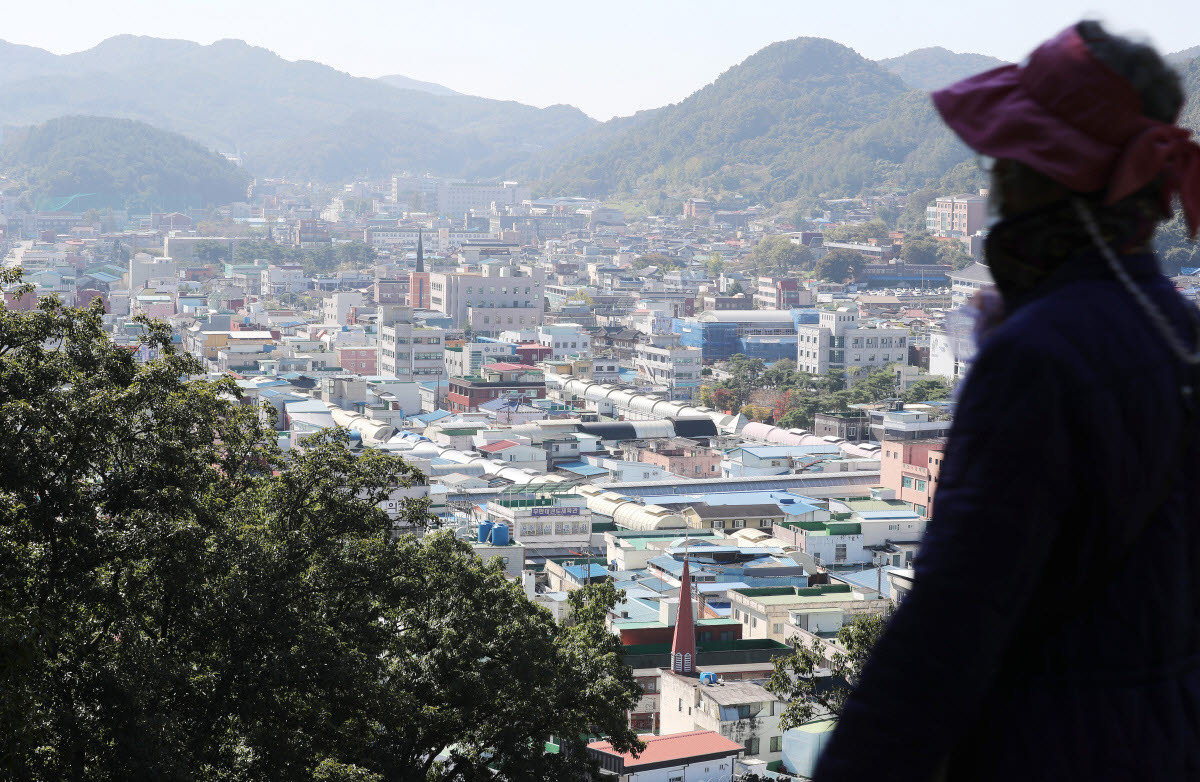
Almost every small city outside the metros gets added
The current list is 84 population-decline districts plus 9 population-decline-watch districts. The nine are Gangneung, Sokcho, Donghae, Inje, Gyeongju, Gimcheon, Tongyeong, Sacheon and Iksan. Small provincial cities that were never designated fell outside.
The bill adds the whole non-capital region minus the metropolitan cities. Gapyeong and Yeoncheon, which sit inside the capital region, stay in. So do county areas inside metropolitan cities. The exact list gets settled when the enforcement decree is rewritten in February.
Price caps differ by tier. Population-decline districts outside the capital region keep their ₩900 million cap. Watch districts and capital-region border districts rise from ₩400 million to ₩600 million. Only the newly added areas sit at ₩400 million.
Those are assessed values, not market prices. Apartment assessments run at roughly 69% of market value. So ₩400 million assessed is around ₩580 million on the market. ₩600 million is about ₩870 million, and ₩900 million about ₩1.3 billion.
The purchase deadline moves too. It was the end of 2026. It now runs to the end of 2029.
They widened it because nobody was buying
The numbers explain the move. In the nine watch districts, housing transactions from February to 6 August came to 10,086. The same stretch a year earlier was 11,023. Transactions fell after the tax break arrived, not before.
Unsold stock has not moved either. At the end of June there were 67,464 unsold new homes nationwide. Of those, 48,694 were outside the capital region. That is 72.1%.
Ko Jun-seok of Yonsei University told Edaily that buyers face “management costs plus falling prices,” which makes purchase hard to justify. Another analyst pointed to the rental-landlord tax breaks that were cut back after being promised, and said there is nothing stopping the same thing happening here. Policy trust is part of the problem.
If you do not buy a house, your home count does not move
Buying a rural house makes you a two-home household. The relief only means the tax code treats you as one. You still own two.
There is a route that avoids that. Korea introduced the rural stay unit in January 2025. You put it on farmland you own, up to 33m² of floor area, and you may sleep and cook in it. It stands for 12 years, extendable by local ordinance.
No land-use conversion is needed. Decking, eaves, a septic tank and one parking space are excluded from the floor-area count. The access road can be a farm road or any road a fire truck can use. The older farm shed stays capped at 20m², but decking and septic area now come out of that total as well.
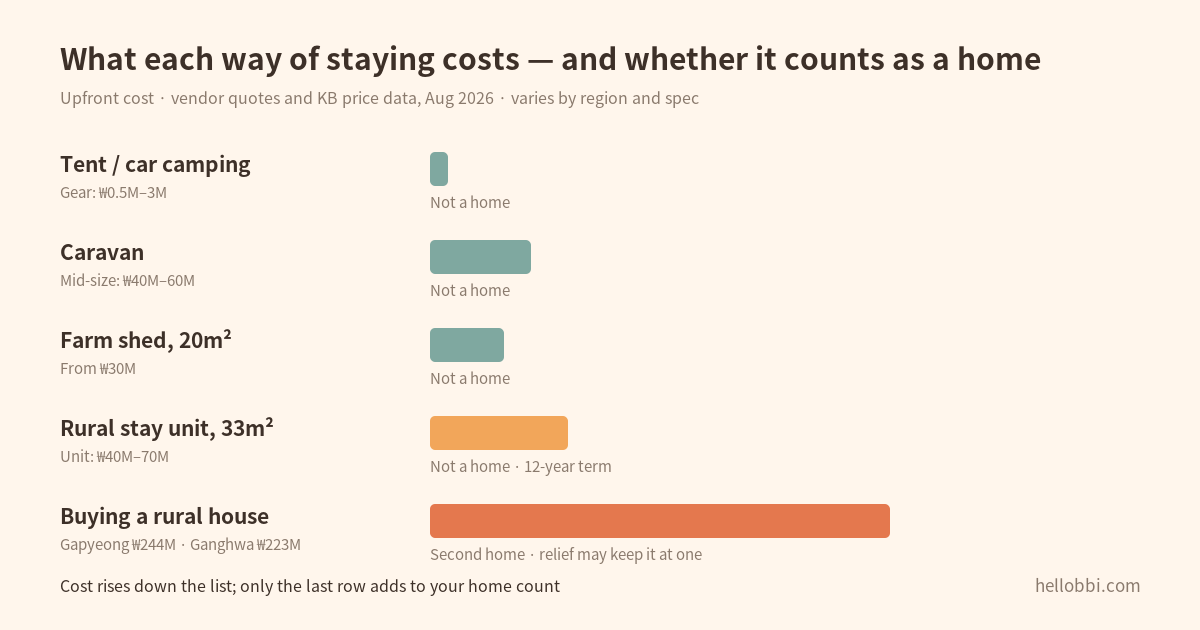
Vendor quotes put a 33m² unit at ₩40–70 million. Add a septic tank and decking and people report landing near ₩60 million. These are vendor figures, not official statistics.
Electricity is separate. If the nearest KEPCO pole is within 200m, the standard connection charge runs ₩300,000–400,000. Past 200m you pay a distance surcharge per metre. Look for the pole before you look at the view.
That video is a dealer channel showing a west-coast plot. The claim is ₩150 million including land and utilities, using a stay unit rather than a house. It is a sales listing, so treat the figure as a starting point.
Buying outright costs more. Average apartment prices from KB: Gapyeong ₩243.8 million, Yeoncheon ₩204.4 million, Ganghwa ₩222.7 million. Sunchang in North Jeolla runs ₩270.1 million and Yeongdeok in North Gyeongsang ₩265.3 million. The districts nearest Seoul are the cheap ones.
Lose the relief and your first home’s property tax doubles
Property tax has its own single-home relief. Own one home assessed at ₩900 million or less and the fair-market-value ratio drops to 43–45%. Each rate band also falls by 0.05 percentage points.
Own two and both disappear. The ratio goes back to 60% and the standard rates return. The bill that rises is the one for the house you already live in.
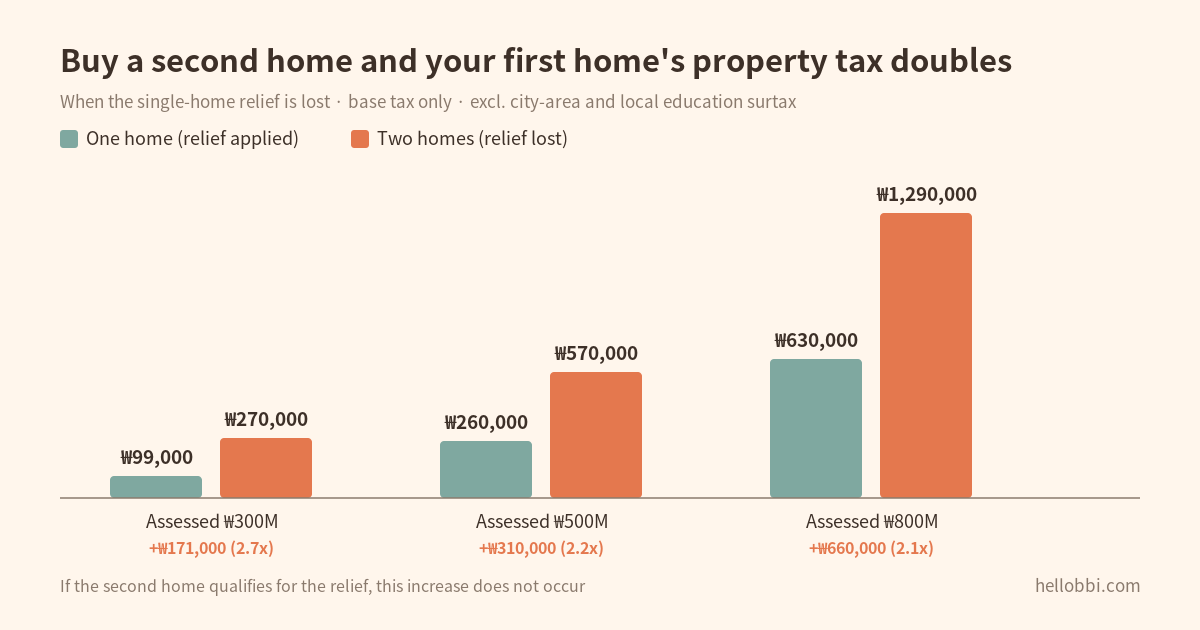
I ran the numbers. A home assessed at ₩300 million goes from ₩99,000 to ₩270,000. At ₩500 million it goes from ₩260,000 to ₩570,000. At ₩800 million, from ₩630,000 to ₩1,290,000.
Homes assessed above ₩900 million never had the relief. Their property tax does not move. They get hit on the comprehensive real estate tax instead.
There is relief on the way in as well. Acquisition tax on a qualifying rural home priced at ₩300 million or less is cut by 25%, and local ordinance can cut another 25%. The cap is ₩1.5 million. On a ₩300 million purchase the base acquisition tax is ₩3 million, so half of it can come off.
Put it in your spouse’s name and the relief breaks
Dual-income couples should read this part twice. Splitting ownership is not automatically the better move.
The Supreme Court ruled on this on 11 September 2025 (2025Du33779). The husband owned a Gangnam apartment assessed at ₩1.398 billion. The wife owned an apartment in Sokcho assessed at ₩57.9 million.
He argued that his wife’s flat was a low-priced provincial home, so he should count as a one-home household. The court disagreed. The exclusion applies only when the same taxpayer holds both properties. The National Tax Service had said the same thing in November 2024.
That case concerned the low-priced provincial home rule, which sits in the comprehensive real estate tax law. The second-home relief is a separate provision. Both, though, look at the individual rather than the household. Sharing a roof does not mean sharing the tax position.
Filing matters too. The provincial-home exclusion has had to be claimed each year between 16 and 30 September. The bill makes it automatic, with no application.
One more clause gets less attention. The bill removes the population-decline-district portion from the single-home tax credit on the comprehensive real estate tax. That credit runs up to 80% for older and long-term owners. Buy the second home and you forfeit the share attributable to it.
The tax opens but the mortgage rules do not
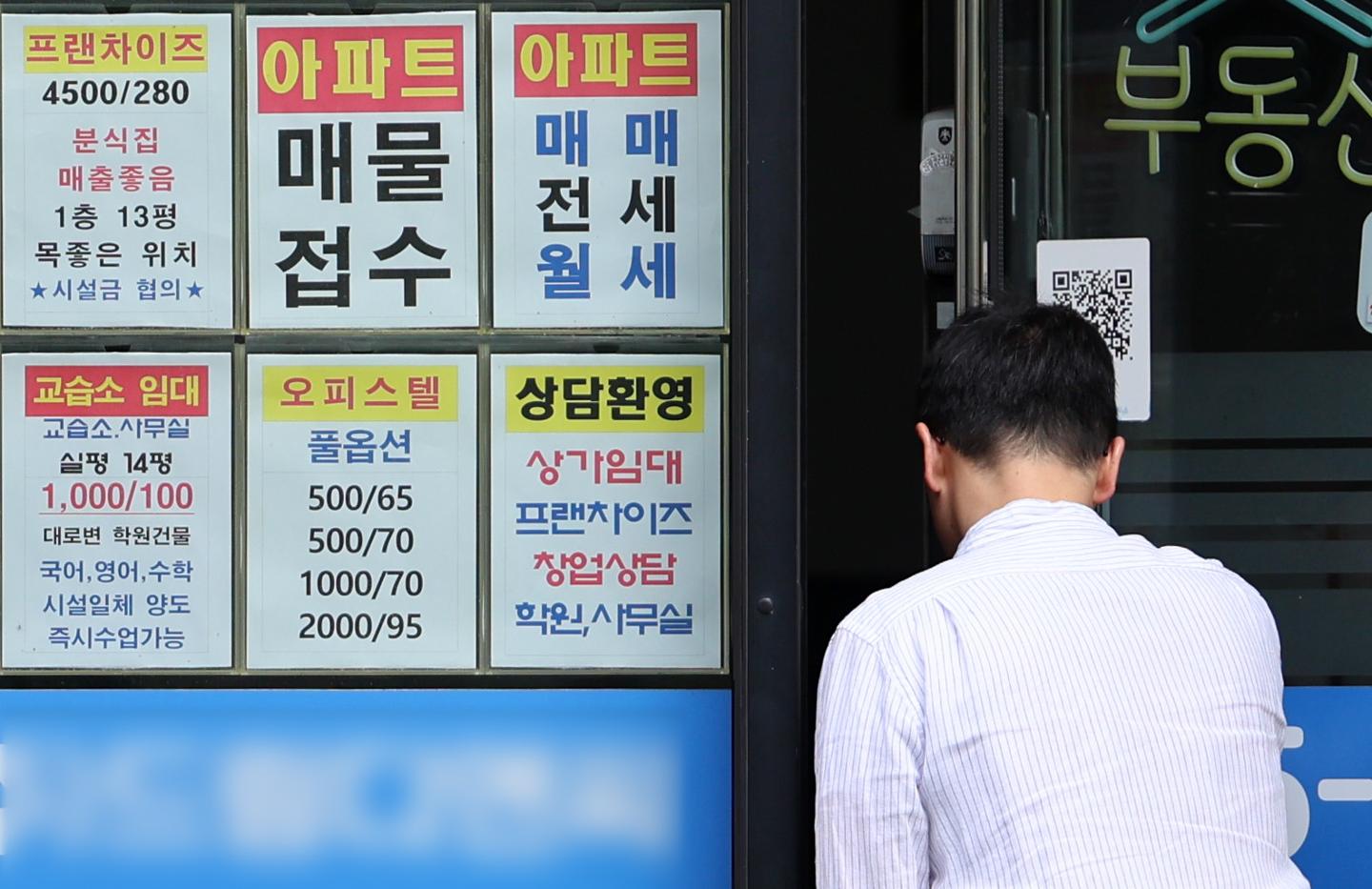
Gapyeong shows the gap. A large apartment complex there started selling in April and drew inquiries from Seoul owners. The county qualifies for the relief, so buyers expected a lighter tax bill.
Gapyeong is also in the capital region. The 27 June household-debt rules apply in full. A Seoul owner taking a mortgage to buy there has to sell the Seoul home within six months. For a second home, that defeats the point.
The sales manager told Hankook Ilbo that buyers walk away once they hear the disposal condition. The Financial Services Commission said it could look at the issue if it is formally raised. Nothing has changed yet.
Clear the tax and the loan and you still own a building. The video above is a Korean owner’s account of one year in a country house. The title translates as “is this reality.” Worth twenty minutes before you sign anything.
About half of this is actually settled
Which districts join is still unknown. That gets decided in the February decree. The bill has to clear the Assembly first.
One date is fixed. The wider map and the higher caps apply to purchases from 1 January 2027. There is no reason to rush this year. The 93 districts already on the list are available now.
We own one home in the city, so this arithmetic is not abstract for us. Whose name it goes in, or whether to skip the house and put a stay unit on farmland, is the open question. I will write again when the decree lands.
Rates and caps are as of 19 August 2026. Individual circumstances vary, so confirm anything decisive with a tax professional.
Sources
- Ministry of Economy and Finance, “2026 Tax Reform Bill” (detailed edition), 3 August 2026, as attached to the Samil PwC Tax News Flash
- Seoul Economic Daily, “Outside the metros, a second provincial home still counts as one,” 3 August 2026
- Edaily, “Will widening the second-home scheme warm it up?” 6 August 2026
- Hankook Ilbo, “Loan rules render the second-home relief useless,” 8 July 2026
- CPA News, commentary on Supreme Court ruling 2025Du33779, 19 September 2025
- Ministry of Agriculture, Food and Rural Affairs, rural stay unit guidance
- Local Tax Act art. 111-2, Restriction of Special Local Taxation Act art. 75-5, Restriction of Special Taxation Act art. 71-2
Leave a Reply